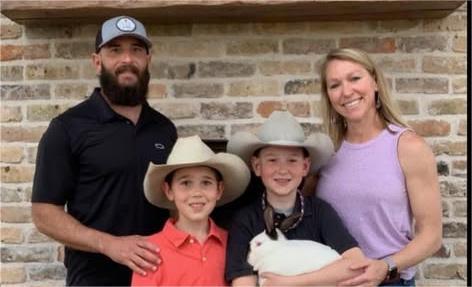
The military and veteran community is mourning the passing of Joe Kapacziewski, a former U.S. Army Ranger whose service and recovery journey left a lasting impact on many within the armed forces and beyond. His death in January 2023 at the age of 40 has been met with widespread sorrow among fellow Rangers, veterans, and those who followed his story of resilience and service.
Kapacziewski served in the 75th Ranger Regiment and deployed multiple times in support of operations in Iraq and Afghanistan following the September 11 attacks. During a 2005 combat deployment in Iraq, he sustained severe injuries that ultimately resulted in the amputation of one leg. Despite the life-changing nature of his injuries, he continued to demonstrate determination in both recovery and rehabilitation.
He became widely recognized within the military community for returning to duty after his injury, an achievement that reflected his commitment, discipline, and persistence. His service earned him multiple decorations, including the Bronze Star Medal with Valor and Purple Hearts, reflecting both his combat experience and sacrifice.
Beyond his military career, Kapacziewski contributed significantly to the veteran community. He participated in endurance sports and adaptive athletic events, and he dedicated time to mentoring wounded service members as they navigated recovery and transition. Many who worked with him described his influence as steady and practical, particularly in helping others rebuild confidence after serious injury.
Following his passing, tributes from across the military and veteran communities emphasized both his accomplishments and the broader challenges faced by service members after combat. His life has been remembered as one marked by service, perseverance, and continued efforts to support others facing similar struggles.
He is survived by his wife, children, and extended family. Arrangements and memorial details were shared privately by the family.
Kapacziewski’s legacy remains present within the military community, particularly in ongoing conversations about recovery, support systems, and mental health care for veterans transitioning beyond active service.